
How to Clean Press Jaws Safely: Maintenance Tips & Common Mistakes
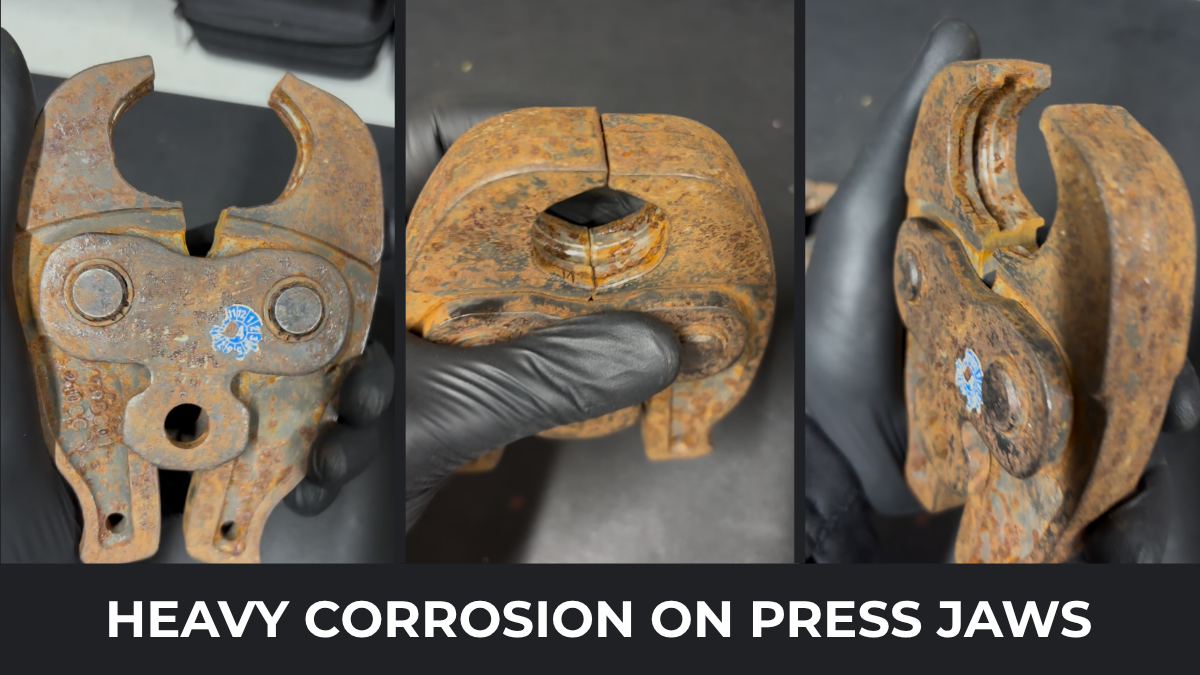
Press jaws are precision-engineered components designed to deliver reliable, consistent press connections. But over time, dirt, debris and corrosion can build up, leaving installers wondering how best to clean them without causing damage.
At Press-Cal Solutions, we regularly inspect, service and calibrate press jaws, and one of the most common questions we receive is: What's the best way to clean dirty press jaws?
The answer depends on their condition. Light surface dirt can often be removed with careful cleaning, but heavy corrosion, worn components or overdue calibration require a different approach.
Here's what we recommend.
1. Check the Calibration Date Before Cleaning
Before reaching for any cleaning products, take a moment to inspect the calibration date sticker on your press jaw.
If the calibration date has passed, we'd recommend sending the jaw in for a professional inspection and calibration rather than simply cleaning it.
Why?
Because a jaw can look perfectly clean but still have worn components or be outside the manufacturer's permitted tolerances.
A clean jaw isn't necessarily a correctly calibrated jaw.
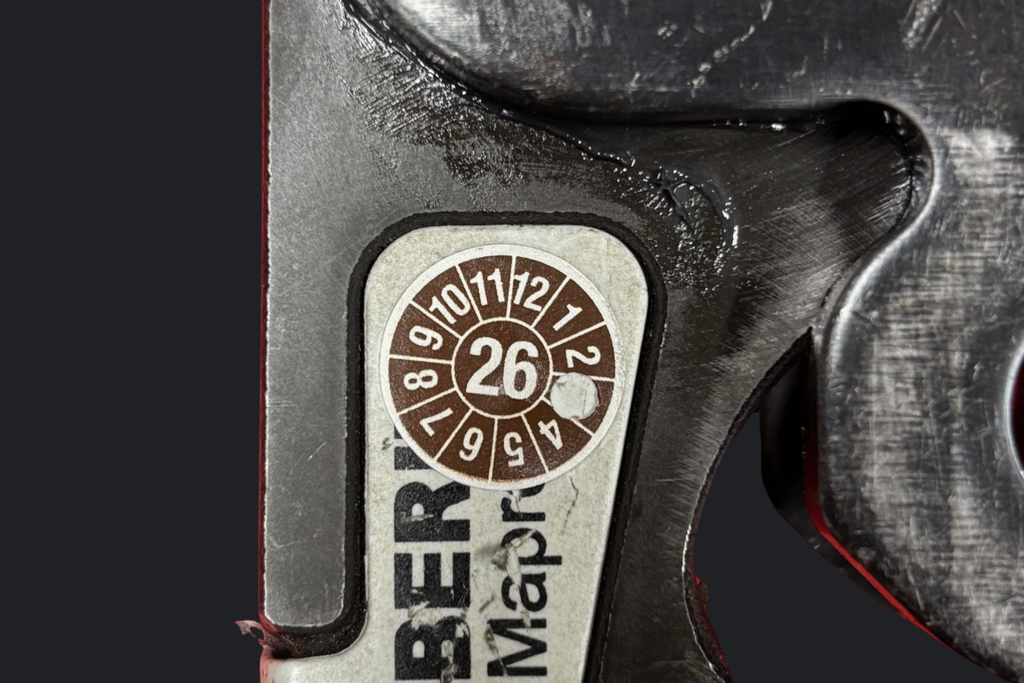
Professional inspection helps establish whether the jaw remains suitable for continued use.
2. How to Remove Minor Dirt From Press Jaws
If your jaw is within its calibration period and only has minor surface dirt or residue, careful cleaning may be appropriate.
For light cleaning, we recommend:
- A nylon brush — to gently loosen surface dirt without aggressively abrading the metal.
- A suitable cleaning product — used sparingly and only where permitted by the jaw manufacturer's maintenance instructions.
- A lint-free cloth — to remove loosened dirt and cleaning residue.
Apply any permitted cleaning product in a controlled manner, avoiding the pivot points and other lubricated mechanisms.
Gently brush away the dirt, then wipe the area clean with your lint-free cloth.
Always follow the manufacturer's instructions for cleaning, lubrication and inspection before returning the jaw to service.
3. Can You Use WD-40 on Press Jaws?
This is an important one.
WD-40 Multi-Use Product is sometimes used to help loosen surface dirt, but we strongly advise against soaking or bathing press jaws in WD-40.
Why?
Press jaws contain pivot points and moving components that rely on appropriate lubrication.
Excessive application of penetrating or cleaning products can wash away or displace the grease around these mechanisms.
Over time, this can contribute to:
- Stiff or sticking jaw movement.
- Increased wear around pivot points.
- Poor mechanical operation.
- The need for professional servicing or repair.
Where the manufacturer permits a product for cleaning, use it sparingly and keep it away from lubricated mechanisms.
The same caution applies to strong degreasers, which may remove essential grease.
Our advice: clean the dirt, don't wash away the lubrication.
4. Avoid Scotch-Brite and Abrasive Cleaning Materials
Another common mistake is using abrasive pads, including Scotch-Brite-type products, to remove stubborn marks or corrosion.
Although these products might make the jaw appear cleaner, they can also abrade precision surfaces.
The pressing profile is manufactured to specific dimensions, and aggressive cleaning could affect the surfaces that form the press connection.
For routine surface cleaning, a nylon brush is a much better starting point, subject to the manufacturer's guidance.
Avoid using abrasive pads, grinding tools or other aggressive methods on the pressing profile.
5. What If Your Press Jaws Have Heavy Rust?
If your press jaws have significant corrosion, our recommendation is simple:
Don't try to aggressively remove it yourself.
Heavy rust can be more than a cosmetic issue. It may conceal wear, pitting or damage that requires professional assessment.
At Press-Cal, we can inspect the jaw's condition and determine whether professional cleaning, servicing, repair or replacement is appropriate.
Not every heavily corroded jaw can be restored safely, which is why inspection comes first.
6. Cleaning vs Professional Jaw Calibration
It's important to understand the difference between cleaning and calibration.
Cleaning removes accessible dirt and residue from the jaw.
Professional inspection and calibration assess whether the jaw remains within the relevant manufacturer's requirements and is suitable for continued use.
Even a jaw that looks immaculate may require calibration.
At Press-Cal Solutions, we provide professional press jaw and sling inspection and calibration, with certification where the equipment meets the applicable requirements.
As an official Novopress Service Partner, we work with press tools and jaws every day, helping customers maintain their equipment and minimise unnecessary downtime.
Watch Our Press Jaw Cleaning Advice
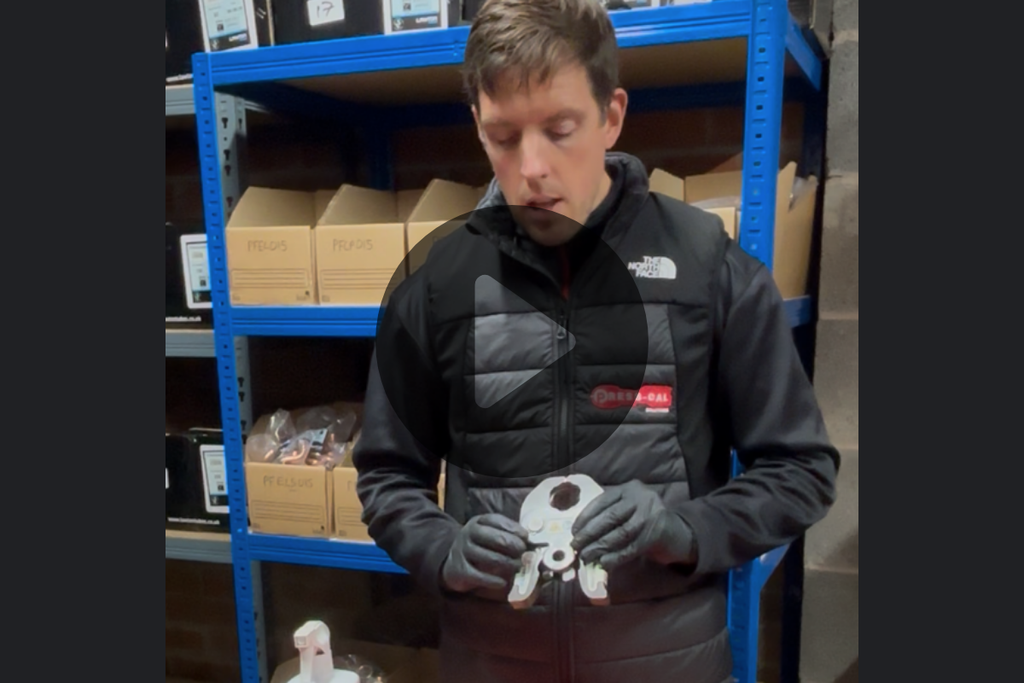
We've also put together a short video explaining some of the most common mistakes when cleaning press jaws, including why you should avoid soaking them in WD-40.
Watch our press jaw maintenance video on Instagram:
https://www.instagram.com/reel/De7QIFKqVsq
Need Your Press Jaws Checked?
If your calibration date has expired, your jaws have developed significant corrosion or you're concerned about their condition, Press-Cal Solutions can help.
We offer professional jaw inspection and calibration, with nationwide collection and a typical workshop turnaround of 2–3 working days.
Contact Press-Cal Solutions to arrange your press jaw inspection or calibration.
